Half Clutch: When Can It Be Used and What Impact Does It Have on the Car?
Driving a manual car does have its own challenges. It's not just about shifting gears, but also about coordinating three pedals: the gas, brake, and clutch to keep the car running smoothly and prevent it from stalling suddenly. This situation is usually more noticeable when facing uphill, downhill, or winding roads that require the driver to be extra alert.
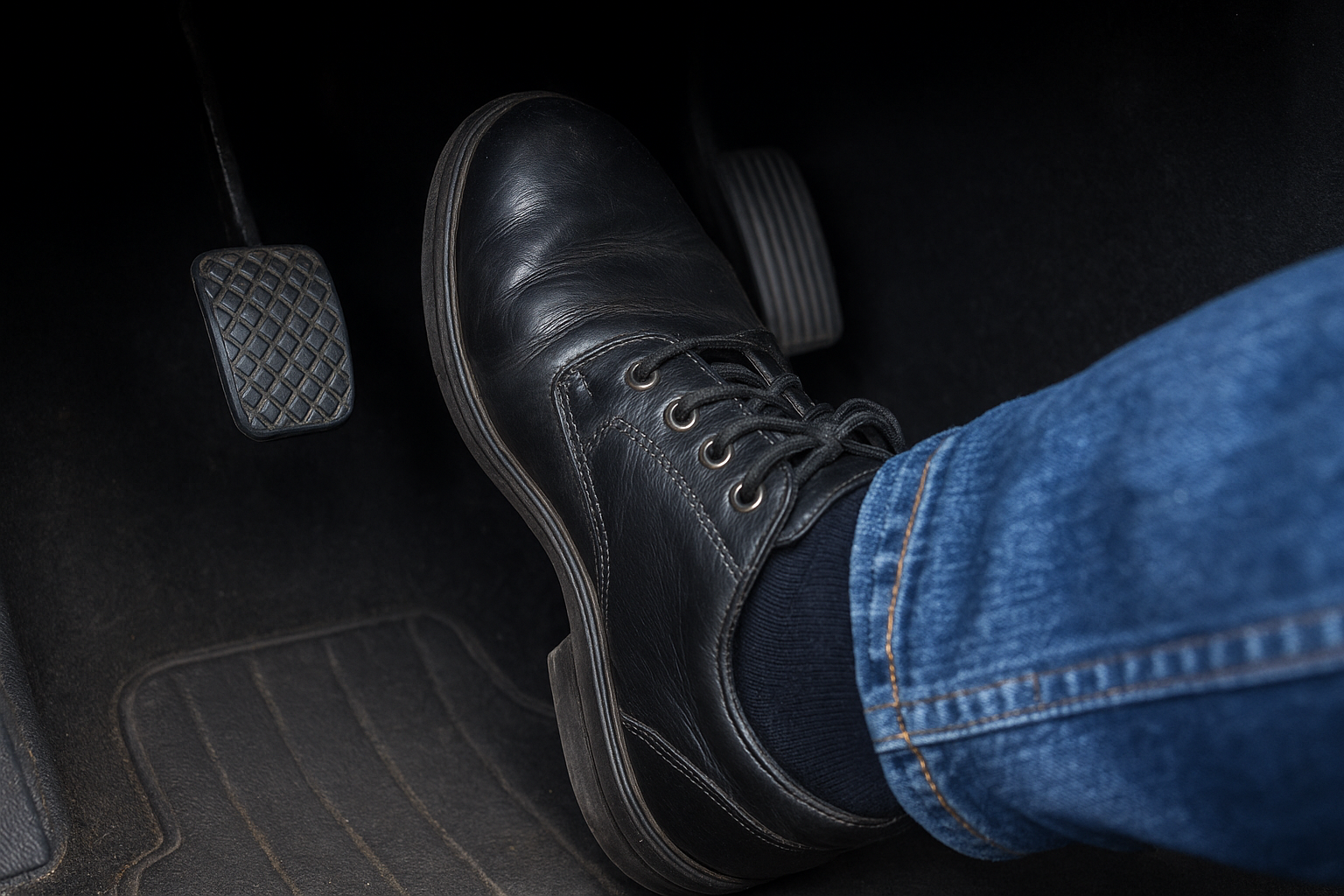
One technique that is often used at low speeds is the half-clutch. This technique is done by holding the clutch pedal in the middle position so that the car feels more controllable and doesn't roll backward easily when stopping on an incline, even without having to step on the brakes.
Although helpful, this technique is not recommended for continuous use. The reason is quite clear: half-clutch makes fuel consumption more wasteful and accelerates clutch pad wear due to friction on the clutch disc.
When the clutch pads start to wear out, the car can lose power. For example, when going uphill, the car feels weak even though the gas pedal has been pressed down. In addition, there is usually a rough sound from the engine and a burning smell due to excessive friction.
However, this technique can still be used, as long as it is only in certain conditions, such as when facing a steep incline.
Safe Way to Drive Up a Hill: Combination of Brakes and Clutch
For those who drive manual cars, there is a technique that is quite effective for driving up hills without overloading the clutch pads, namely the technique of using the brakes and clutch simultaneously. Here are the steps:
- This technique is usually suitable for cars with brake and clutch pedals that are close together.
- When the car stops on an incline, press the brake and clutch pedals simultaneously with your left foot.
- The car will stop without the engine stalling.
- Ensure the gear is in first gear.
- When ready to move again, press the gas pedal until the RPM reaches around 2,000, then slowly lift your left foot to release the brake and clutch halfway.
- In this condition, the car is in a half-clutch position with the brakes on standby. When the car in front stops, you can simply press your left foot again without the risk of stalling the engine.
Tips for Maintaining the Clutch to Make It Last Longer
To keep the clutch in good condition and extend its life, there are several good habits you can adopt:
- Don't keep your foot on the clutch.
- Use the clutch only when necessary, and shift to neutral when stopping.
- Avoid downshifting just to reduce speed—use the brakes instead.
- Use the handbrake when stopping for a long time on an incline.
- Regularly change the oil and keep the vehicle fluids clean.
- Replace the transmission filter every 40,000–60,000 km.
- Take time to drive without music once a week to listen for unusual engine noises.
Ultimately, the half-clutch technique can still be used as long as you understand the appropriate situations. Beginner drivers need not worry; everything will feel more natural as you gain more driving hours and experience in various road conditions.
Indonesia 🇮🇩
Setengah Kopling: Kapan Boleh Dipakai dan Apa Dampaknya ke Mobil?
Mengemudi mobil manual memang punya tantangan tersendiri. Bukan sekadar pindah gigi, tapi juga soal menyelaraskan tiga pedal: gas, rem, dan kopling agar mobil tetap halus dan tidak mati mendadak. Situasi ini biasanya makin terasa saat menghadapi jalan menanjak, menurun, atau rute berkelok yang bikin pengemudi harus ekstra sigap.
Salah satu teknik yang sering dipakai saat kecepatan rendah adalah setengah kopling. Teknik ini dilakukan dengan menahan pedal kopling di posisi tengah sehingga mobil terasa lebih terkendali dan tidak mudah mundur saat berhenti di tanjakan, bahkan tanpa harus menginjak rem.
Meskipun membantu, teknik ini sebenarnya tidak disarankan untuk dilakukan terus-menerus. Alasannya cukup jelas: setengah kopling membuat bahan bakar lebih boros dan mempercepat keausan kampas kopling akibat gesekan yang terjadi pada clutch disc.
Ketika kampas kopling mulai aus, mobil bisa kehilangan tenaga. Misalnya, saat menanjak, mobil terasa tidak kuat meski pedal gas sudah diinjak dalam. Selain itu, biasanya muncul suara kasar dari mesin serta bau gosong akibat gesekan berlebih.
Namun begitu, teknik ini tetap boleh digunakan, asal hanya pada kondisi tertentu seperti ketika menghadapi tanjakan curam.
Cara Aman Melewati Tanjakan: Kombinasi Rem dan Kopling
Buat yang berkendara manual, ada teknik yang cukup efektif menghadapi tanjakan tanpa membebani kampas kopling berlebihan, yaitu teknik rem dan kopling secara bersamaan. Berikut langkah-langkahnya:
- Teknik ini biasanya cocok untuk mobil dengan posisi pedal rem dan kopling yang berdekatan.
- Saat mobil berhenti di tanjakan, injak pedal rem dan kopling bersamaan memakai kaki kiri.
- Mobil akan berhenti tanpa mesin mati.
- Pastikan gigi berada di posisi 1.
- Saat akan kembali melaju, injak gas hingga sekitar 2.000 RPM lalu perlahan angkat kaki kiri untuk melepaskan rem dan kopling hingga setengah.
- Dalam kondisi ini, mobil berada di posisi setengah kopling dengan rem standby. Ketika mobil depan berhenti, Anda tinggal menekan kaki kiri lagi tanpa risiko mesin mati.
Tips Merawat Kopling Agar Lebih Awet
Supaya kopling tetap sehat dan umur pakainya panjang, ada beberapa kebiasaan baik yang bisa diterapkan:
- Jangan biarkan kaki terus bertumpu di kopling.
- Gunakan kopling hanya saat diperlukan, dan pindahkan ke netral ketika berhenti.
- Hindari menurunkan gigi hanya untuk mengurangi kecepatan, gunakan rem.
- Pakai rem tangan saat berhenti lama di tanjakan.
- Rutin mengganti oli dan menjaga cairan kendaraan tetap bersih.
- Ganti filter transmisi setiap 40.000–60.000 km.
- Luangkan waktu mengemudi tanpa musik seminggu sekali untuk mendengar suara-suara mesin yang tidak normal.
Pada akhirnya, teknik setengah kopling tetap bisa digunakan selama memahami situasi yang tepat. Pengemudi pemula pun tak perlu khawatir, semua akan terasa lebih natural seiring bertambahnya jam terbang dan pengalaman di berbagai kondisi jalan.
Share


