Know Your Car Wheel PCD Before Replacing Wheels
For some car owners, replacing wheels is often just a matter of design and size. However, there is one technical detail that should not be overlooked: Pitch Circle Diameter (PCD). Although it sounds simple, PCD plays an important role in determining driving comfort and safety.
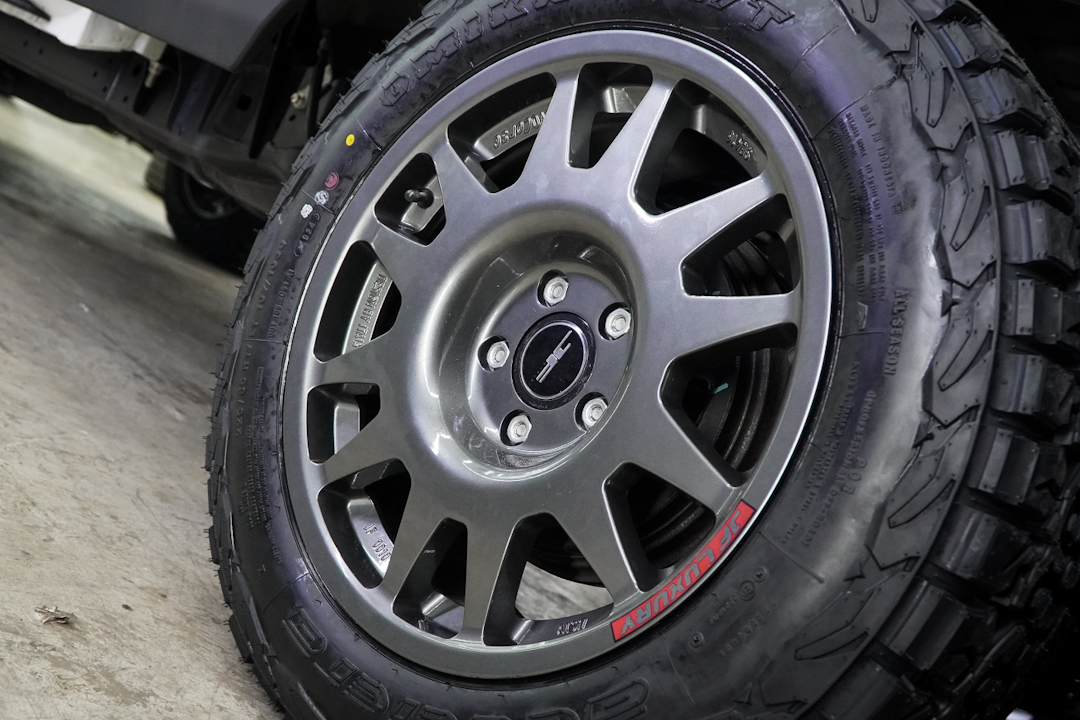
The PCD on a wheel is the diameter of an imaginary circle formed by the positions of the wheel bolt holes. From this, car owners can determine two key things: the number of bolts and the distance between bolts. Both must match the vehicle's wheel hub specifications.
Why is PCD so crucial? Because wheels with an incompatible PCD will be difficult to install precisely. The consequences can vary, ranging from wheel vibration, loose bolts, to the risk of damage to the car's suspension. That is why understanding PCD is essential before replacing wheels, whether standard or aftermarket.
What is Car Wheel PCD?
Simply put, PCD is a combination of the number of bolt holes and the diameter of the bolt circle. For example, PCD 4x100 means that the wheel has 4 bolt holes with a bolt circle diameter of 100 mm. This wheel is only suitable for cars with the same wheel hub specifications.
If forced onto a car with a different PCD, the bolts will not fit perfectly. In the long run, this condition can cause vibration when the car is moving and increase the risk of accidents.
Interestingly, each car segment, from city cars, MPVs, SUVs, to sports cars, can have different PCD sizes. Therefore, one wheel rim may not necessarily fit all cars even if they appear to be the same size.
How to Check a Car's Wheel Rim PCD
For car owners, there are several practical ways to find out the PCD size of a wheel rim.
First, measure manually.
The initial step is to count the number of wheel bolts. This number is the first part of the PCD code. After that, measure the diameter of the imaginary circle between the bolts. For wheels with an even number of bolts, the measurement can be taken directly from the center of one bolt to the opposite bolt. Meanwhile, for 5-bolt wheels, a special measurement method and conversion formula are required. Use a precision measuring tool so that the results are close to the manufacturer's standards.
Second, check the vehicle manual book.
This method is the easiest and most accurate. The manual book usually lists complete wheel specifications, including PCD, standard tire size, and bolt tightening torque. Similar information is also often posted in the form of a sticker on the driver's door or engine compartment.
Third, look for references from official sources on the internet.
PCD data can be found on the manufacturer's official website, spare parts catalog, or automotive forums. Just type in the brand, type, and year of the car. Although practical, make sure the source is credible and cross-check with other data to avoid mistakes.
Tips for Replacing Aftermarket Wheels
When planning to replace standard wheels with aftermarket ones, PCD is not the only factor to consider. Other specifications such as center bore, offset (ET), lug nut type, and wheel load capacity also greatly affect driving comfort.
Ensure that the aftermarket wheels you choose meet international safety standards such as JWL, VIA, or TÜV. The installation process should also be done at a trusted workshop to ensure that the wheel nuts are tightened to the standard torque.
Ultimately, choosing wheels is not just about appearance. By understanding PCD and other technical specifications, car owners can ensure that their wheels and tires work optimally, safely, and remain comfortable to use in various driving conditions.
Indonesia 🇮🇩
Kenali PCD Velg Mobil Sebelum Ganti Velg
Buat sebagian pemilik mobil, urusan ganti velg sering kali hanya soal desain dan ukuran. Padahal, ada satu detail teknis yang tidak boleh diabaikan: Pitch Circle Diameter (PCD). Meski terdengar sederhana, PCD punya peran penting dalam menentukan kenyamanan sekaligus keamanan berkendara.
PCD pada velg adalah ukuran diameter lingkaran imajiner yang dibentuk oleh posisi lubang baut roda. Dari sini, pemilik mobil bisa mengetahui dua hal utama, yakni jumlah baut dan jarak antar baut. Keduanya wajib sesuai dengan spesifikasi hub roda kendaraan.
Kenapa PCD begitu krusial? Karena velg dengan PCD yang tidak sesuai akan sulit dipasang secara presisi. Dampaknya bisa beragam, mulai dari roda terasa bergetar, baut mudah kendor, hingga risiko kerusakan pada kaki-kaki mobil. Itulah alasan mengapa memahami PCD wajib dilakukan sebelum mengganti velg, baik standar maupun aftermarket.
Apa Itu PCD Velg Mobil?
Secara sederhana, PCD merupakan kombinasi antara jumlah lubang baut dan diameter lingkar bautnya. Contohnya, PCD 4x100 berarti velg memiliki 4 lubang baut dengan diameter lingkar baut 100 mm. Velg ini hanya cocok untuk mobil dengan spesifikasi hub roda yang sama.
Jika dipaksakan ke mobil dengan PCD berbeda, posisi baut tidak akan duduk sempurna. Dalam jangka panjang, kondisi ini bisa menimbulkan getaran saat mobil melaju dan meningkatkan risiko kecelakaan.
Menariknya, setiap segmen mobil, mulai dari city car, MPV, SUV, hingga sport car bisa memiliki ukuran PCD yang berbeda. Karena itu, satu velg belum tentu cocok untuk semua mobil meski ukurannya terlihat sama.
Cara Mengecek PCD Velg Mobil
Bagi pemilik mobil, ada beberapa cara praktis untuk mengetahui ukuran PCD velg.
Pertama, mengukur secara manual.
Langkah awalnya adalah menghitung jumlah baut roda. Angka ini menjadi bagian pertama dari kode PCD. Setelah itu, ukur diameter lingkar imajiner antar baut. Untuk velg dengan jumlah baut genap, pengukuran bisa dilakukan langsung dari tengah baut ke baut yang berseberangan. Sementara untuk velg 5 baut, diperlukan metode pengukuran khusus dan rumus konversi. Gunakan alat ukur presisi agar hasilnya mendekati standar pabrikan.
Kedua, cek buku manual kendaraan.
Cara ini paling mudah dan akurat. Di dalam buku manual biasanya tercantum spesifikasi roda secara lengkap, termasuk PCD, ukuran ban standar, hingga torsi pengencangan baut. Informasi serupa juga sering ditempel dalam bentuk stiker di area pintu pengemudi atau ruang mesin.
Ketiga, mencari referensi dari sumber resmi di internet.
Data PCD bisa ditemukan melalui website resmi pabrikan, katalog suku cadang, atau forum otomotif. Cukup ketik kata kunci merek, tipe, dan tahun mobil. Meski praktis, pastikan sumbernya kredibel dan lakukan cross-check dengan data lain agar tidak keliru.
Tips Jika Ingin Ganti Velg Aftermarket
Saat berencana mengganti velg standar ke aftermarket, PCD bukan satu-satunya faktor yang perlu diperhatikan. Spesifikasi lain seperti center bore, offset (ET), tipe dudukan mur, hingga kapasitas beban velg juga berpengaruh besar pada kenyamanan berkendara.
Pastikan velg aftermarket yang dipilih sudah memenuhi standar keselamatan internasional seperti JWL, VIA, atau TÜV. Proses pemasangan pun sebaiknya dilakukan di bengkel terpercaya agar pengencangan mur roda sesuai torsi standar.
Pada akhirnya, memilih velg bukan sekadar soal tampilan. Dengan memahami PCD dan spesifikasi teknis lainnya, pemilik mobil bisa memastikan velg dan ban bekerja optimal, aman, dan tetap nyaman digunakan dalam berbagai kondisi perjalanan.
Share