The Right Way to Close Your Car's Hood
Closing your car's hood seems simple. But make no mistake, this seemingly trivial habit can have a major impact on the safety and condition of your vehicle in the long run. Many car owners are still confused about whether the hood should be slammed shut or gently pressed down.
In fact, the correct way to close the hood is not just a matter of convenience, but also concerns safety while driving. So, to avoid making mistakes, here is a complete guide.
Why is the Way You Close the Hood Important?
The hood is not just a cover for the engine compartment. If handled incorrectly, there are various risks:
1. Preventing component damage
Slamming the hood too hard risks damaging the hinges, latches, and even the hood panel itself. Over time, the hood may become misaligned and difficult to close properly.
2. Safety factors
A hood that is not locked properly can open while the car is moving. This is clearly dangerous because it obstructs visibility and could potentially cause an accident.
3. Maintaining driving comfort
A tightly closed hood helps keep the engine temperature stable and muffles engine noise so it doesn't enter the cabin.
Steps to Close Your Car's Hood Properly
1. Ensure the engine area is safe
Before closing the hood, check the engine compartment. Make sure there are no tools, cloths, cables, or hoses caught in the mechanism and that all components are in their original positions.
2. Lower the hood slowly
Hold the hood and lower it gently until it is almost closed. Avoid slamming it shut as this can damage the locking mechanism.
3. Ensure the lock is working
Allow the hood locking system to engage on its own. If the car is equipped with additional safety features, ensure that everything is locked properly.
4. Double-check after closing
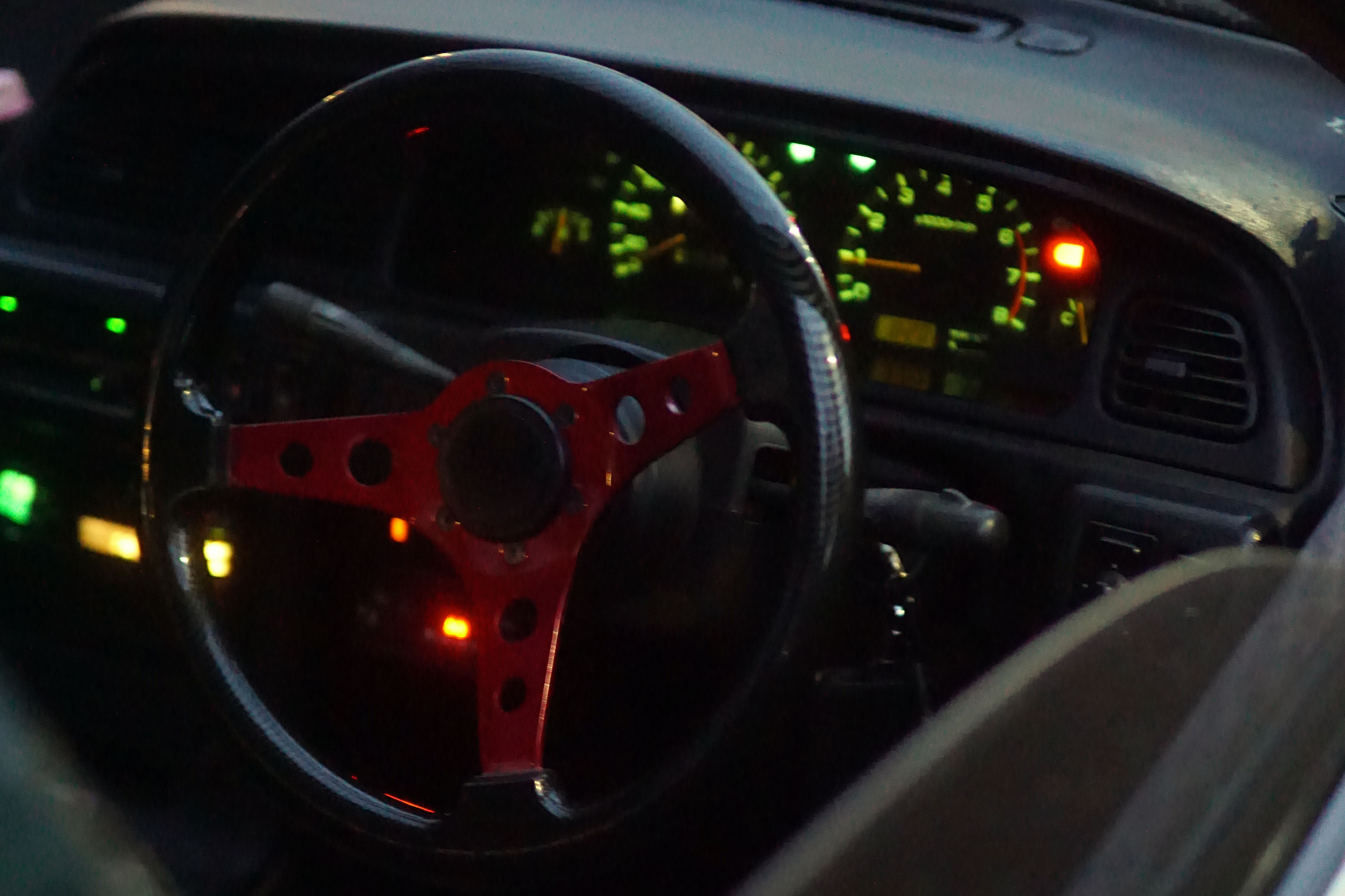
Press lightly on the center of the hood to ensure it is completely closed. Some cars even have a special indicator on the dashboard to show that the hood is locked.
Tips for a Durable and Safe Hood
- Never slam the hood, even if it feels faster.
- Routinely check the hinges and latches, especially on older cars.
- Clean the area around the hood of dust, leaves, or debris that could interfere with closing.
- Use tools recommended by the manufacturer if you need to open or adjust the hood.
- Follow the guidelines in the vehicle manual, as each car has a different design and locking system.
Common Problems with the Hood
- The hood does not close properly: This is usually caused by foreign objects or worn locks.
- The hood opens while the car is moving: This is a sign that the lock is faulty and must be checked immediately for safety reasons.
- Noise coming from the front of the car: This could be due to the hood not being locked properly or a damaged damper component.
Conclusion
Closing the hood correctly is an important part of car maintenance that is often overlooked. With proper care, the hood will last longer, the vehicle will be safer, and the driving experience will be more comfortable.
Indonesia 🇮🇩
Cara Tepat Menutup Kap Mesin Mobil
Menutup kap mesin mobil kelihatannya simpel. Tapi jangan salah, kebiasaan sepele ini bisa berdampak besar pada keamanan dan kondisi kendaraan dalam jangka panjang. Masih banyak pemilik mobil yang bingung, kap mesin sebaiknya dibanting atau cukup ditekan pelan?
Faktanya, cara menutup kap mesin yang benar bukan cuma soal kenyamanan, tapi juga menyangkut keselamatan saat berkendara. Nah, biar nggak salah langkah, berikut panduan lengkapnya.
Kenapa Cara Menutup Kap Mesin Itu Penting?
Kap mesin bukan sekadar penutup ruang mesin. Kalau salah perlakuan, risikonya bisa bermacam-macam:
1. Mencegah kerusakan komponen
Membanting kap mesin terlalu keras berisiko merusak engsel, pengunci, hingga panel kap itu sendiri. Dalam jangka panjang, kap bisa jadi nggak presisi dan sulit menutup rapat.
2. Faktor keselamatan
Kap mesin yang tidak terkunci sempurna bisa terbuka saat mobil melaju. Ini jelas berbahaya karena menghalangi pandangan dan berpotensi memicu kecelakaan.
3. Menjaga kenyamanan berkendara
Kap mesin yang tertutup rapat membantu menjaga suhu mesin tetap stabil sekaligus meredam suara mesin agar tidak masuk ke kabin.
Langkah Menutup Kap Mesin Mobil dengan Benar
1. Pastikan area mesin aman
Sebelum kap ditutup, cek dulu ruang mesin. Pastikan tidak ada alat, kain, kabel, atau selang yang terjepit dan semua komponen sudah di posisi semula.
2. Turunkan kap secara perlahan
Pegang kap mesin, turunkan dengan lembut hingga mendekati posisi tertutup. Hindari membanting karena bisa merusak mekanisme pengunci.
3. Pastikan pengunci bekerja
Biarkan sistem pengunci kap bekerja dengan sendirinya. Jika mobil dilengkapi pengaman tambahan, pastikan semuanya terkunci dengan benar.
4. Cek ulang setelah tertutup
Tekan ringan bagian tengah kap mesin untuk memastikan sudah benar-benar rapat. Beberapa mobil bahkan punya indikator khusus di dashboard sebagai penanda kap sudah terkunci.
Tips Agar Kap Mesin Awet dan Aman
- Jangan pernah membanting kap mesin, meski terasa lebih cepat.
- Rutin cek engsel dan pengunci kap, terutama pada mobil yang sudah berumur.
- Bersihkan area sekitar kap mesin dari debu, daun, atau kotoran yang bisa mengganggu penutupan.
- Gunakan alat sesuai rekomendasi pabrikan jika perlu membuka atau menyetel kap mesin.
- Ikuti panduan di buku manual kendaraan, karena tiap mobil punya desain dan sistem pengunci yang berbeda.
Masalah yang Sering Terjadi pada Kap Mesin
- Kap mesin tidak menutup rapat: Biasanya disebabkan benda asing atau pengunci yang mulai aus.
- Kap mesin terbuka saat mobil jalan: Ini tanda pengunci bermasalah dan harus segera dicek demi keselamatan.
- Muncul bunyi berisik dari depan mobil: Bisa jadi kap mesin tidak terkunci sempurna atau ada komponen peredam yang rusak.
Kesimpulan
Menutup kap mesin dengan cara yang benar adalah bagian penting dari perawatan mobil yang sering dianggap remeh. Dengan perlakuan yang tepat, kap mesin akan lebih awet, kendaraan lebih aman, dan pengalaman mengemudi pun makin nyaman.The Right Way to Close Your Car's Hood
Share