Car Radiator Fan Keeps Running: Normal or Faulty?
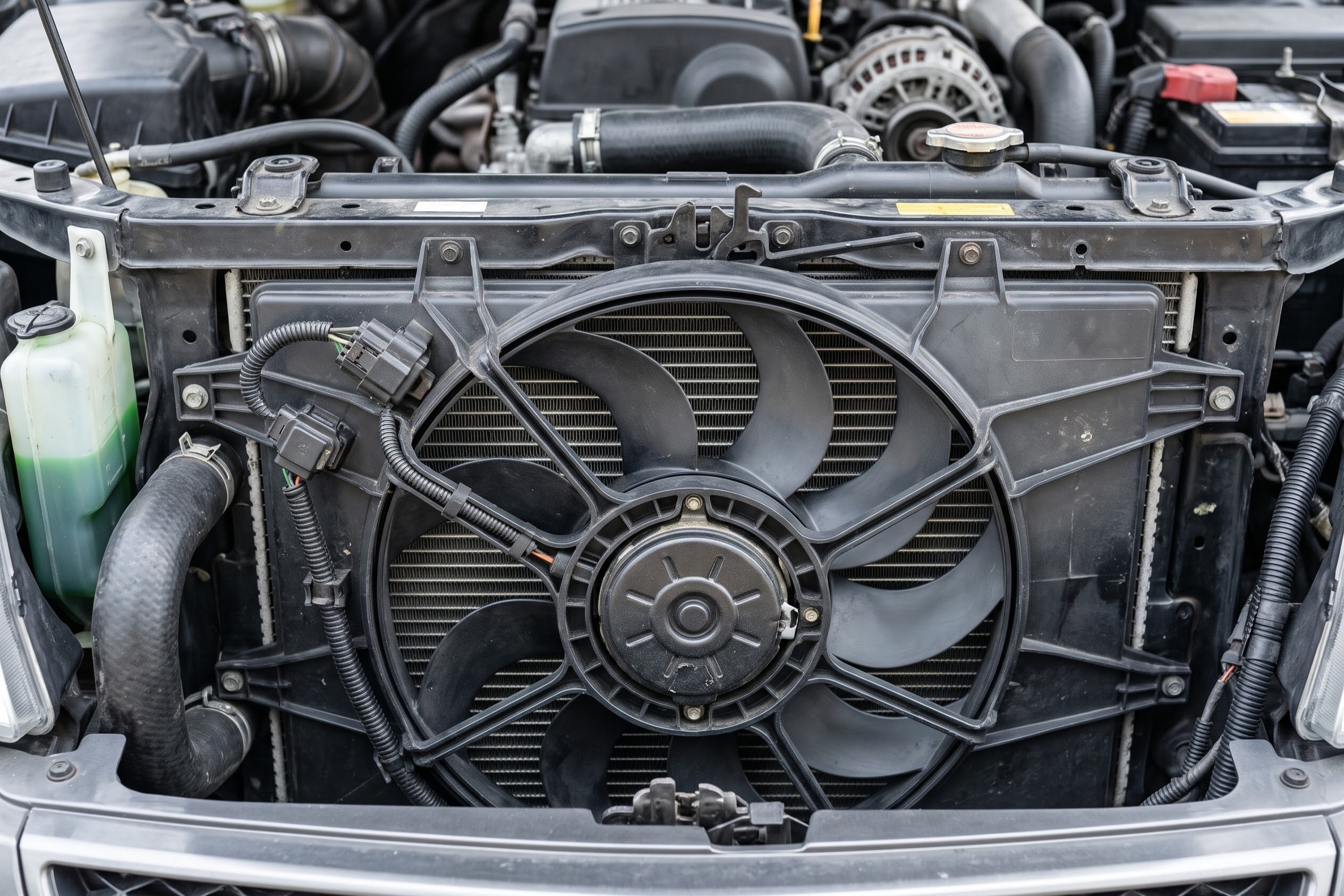
A car radiator fan does not need to run continuously whenever the engine is on. In modern vehicles equipped with electric fans, the system activates the fan when the coolant requires additional airflow. The fan may also operate when the air conditioning is switched on, depending on the vehicle's cooling system design.
Located near the radiator, the fan helps draw or push air through the radiator fins, allowing heat from the coolant to escape into the surrounding air. This process becomes particularly important when a vehicle is moving slowly, sitting in traffic, or idling, as natural airflow through the front of the vehicle is limited.
Radiator fan operation depends on the type of system installed. Mechanical fans are driven by the engine through a belt or related drive system, while electric fans are controlled by electrical components and engine temperature signals. Viscous fans use a fluid coupling that adjusts fan operation according to temperature conditions.
In an electric cooling system, the Engine Coolant Temperature (ECT) sensor monitors coolant temperature. When the temperature reaches a threshold set by the manufacturer, the control system activates the fan. Once the temperature drops, the fan may switch off or reduce its speed, depending on the vehicle's control strategy. Therefore, a fan that stops and starts while the engine is running is not necessarily faulty.
However, a radiator fan that runs continuously or fails to activate when needed deserves attention. A faulty ECT sensor can provide inaccurate temperature readings, while a damaged relay, blown fuse, broken wiring, defective fan motor, or malfunctioning fan control unit can disrupt operation. Problems involving the air conditioning system or condenser can also affect fan activity.
A fan that fails to operate when the engine becomes too hot can reduce the radiator's ability to dissipate heat, particularly at low speeds. If the engine temperature rises beyond its normal range, do not continue driving unnecessarily. Pull over safely, switch off the engine when appropriate, and allow it to cool. Never open the radiator cap while the engine is hot, as pressurized coolant can escape and cause severe burns.
Cooling system inspections should cover more than the fan itself. Coolant condition, the radiator, hoses, thermostat, water pump, and electrical components should also be checked when overheating occurs or fan operation becomes abnormal. Accurate diagnosis helps identify the underlying fault before a cooling system problem develops into more serious engine damage.
INDONESIA 🇮🇩
Kipas Radiator Mobil Terus Menyala, Normal atau Rusak?
Kipas radiator mobil tidak harus terus berputar selama mesin hidup. Pada mobil modern yang menggunakan kipas elektrik, sistem akan mengaktifkan kipas ketika suhu cairan pendingin membutuhkan bantuan aliran udara. Kipas juga dapat menyala ketika AC digunakan, bergantung pada desain sistem pendingin kendaraan.
Posisinya berada di dekat radiator, dengan tugas membantu udara melewati kisi-kisi radiator agar panas dari cairan pendingin bisa dilepaskan ke udara luar. Proses ini penting terutama ketika mobil bergerak pelan, terjebak kemacetan, atau berhenti dengan mesin tetap menyala, saat aliran udara alami dari depan kendaraan terbatas.
Cara kerja kipas radiator bergantung pada jenis yang digunakan. Kipas mekanis terhubung dengan putaran mesin melalui sistem penggerak, sedangkan kipas elektrik dikendalikan oleh sistem kelistrikan dan informasi suhu mesin. Ada juga kipas viscous yang memanfaatkan kopling fluida untuk menyesuaikan kerja kipas berdasarkan kondisi temperatur.
Pada sistem elektrik, sensor Engine Coolant Temperature (ECT) membantu memantau suhu cairan pendingin. Ketika temperatur mencapai ambang yang ditentukan pabrikan, sistem akan mengaktifkan kipas. Setelah suhu turun, kipas dapat berhenti atau mengurangi putaran sesuai strategi pengendalian kendaraan. Karena itu, kipas yang sesekali mati saat mesin hidup belum tentu menandakan kerusakan.
Sebaliknya, kipas yang terus berputar atau tidak pernah menyala ketika dibutuhkan patut diperiksa. Sensor ECT yang bermasalah dapat mengirimkan informasi suhu yang keliru, sementara relay, sekring, kabel, motor kipas, atau fan control unit yang rusak bisa mengganggu operasinya. Gangguan pada sistem AC dan kondensor juga dapat memengaruhi kapan kipas bekerja.
Kipas yang tidak berputar saat mesin terlalu panas berisiko mengurangi kemampuan radiator membuang panas, terutama ketika kendaraan melaju lambat. Jika temperatur mesin naik melewati batas normal, jangan memaksakan perjalanan. Menepi di tempat aman, matikan mesin bila kondisi memungkinkan, dan tunggu hingga cukup dingin. Jangan membuka tutup radiator ketika mesin masih panas karena cairan bertekanan dapat menyembur dan menyebabkan luka bakar.
Pemeriksaan sistem pendinginan sebaiknya tidak hanya berfokus pada kipas. Kondisi cairan pendingin, radiator, selang, termostat, pompa air, serta komponen kelistrikan juga perlu diperiksa jika muncul gejala overheating atau kipas bekerja tidak normal. Diagnosis yang tepat membantu menemukan sumber masalah sebelum gangguan pendinginan berkembang menjadi kerusakan mesin yang lebih serius.
Share


